Learn
-
The Cultural Significance of the Igbo August Meeting
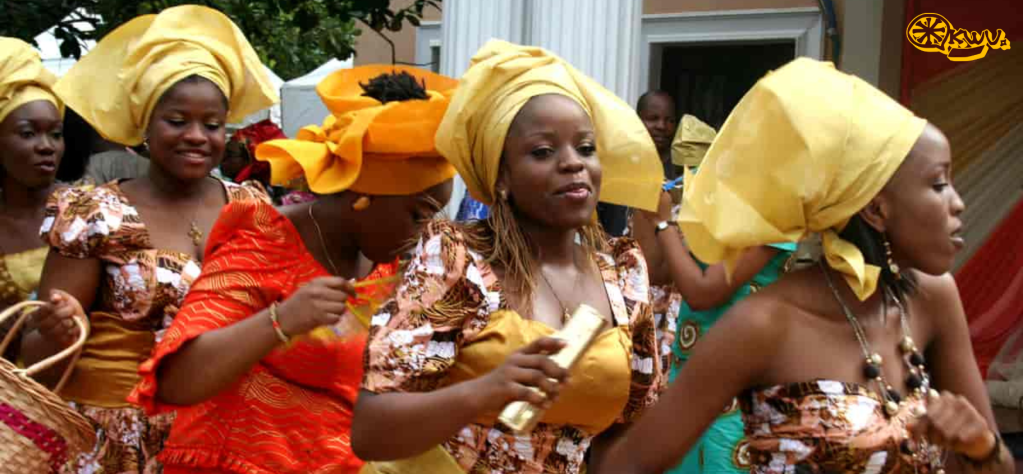
At the heart of Igbo communities lies an age-old tradition, particularly significant for women—the Igbo August Meeting. This annual congress, held in August, draws Igbo women from various corners of the world (Home and Abroad) back to their ancestral villages, where they engage in discussions and collectively shape the future of their communities. Historical Background…
-
The Four Elements of All Igbo Societies
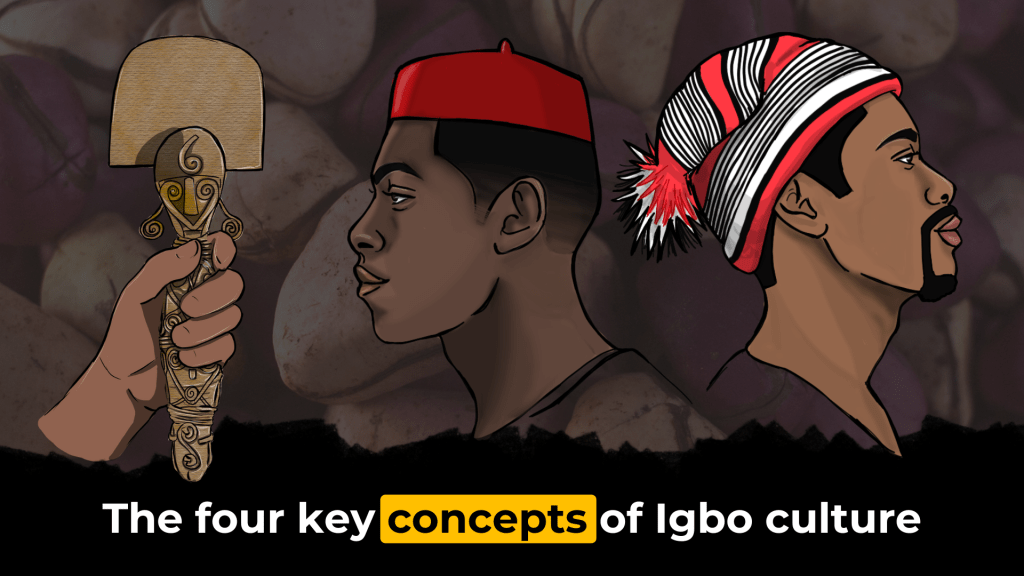
In this article, we explore the fundamental aspects that shape Igbo society, covering core values, traditions, and regulations that guide the Igbo people. These concepts are Pan-Igbo, embraced universally across the diverse ethnic groups of the Igbo pan-ethnicity. Ofo — God, Ancestors and Man Present in all Igbo communities, the ofo is a ritual staff…
-
The Importance of Birth Order in Igbo Society
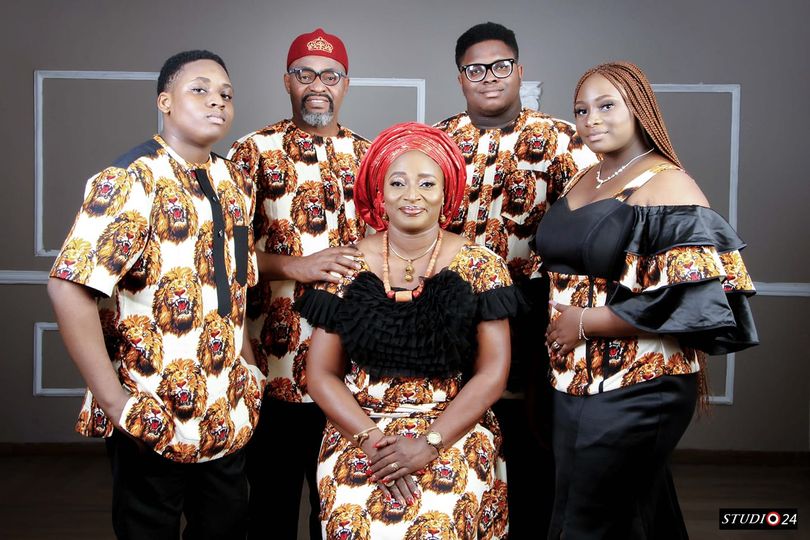
Image: Studio 24 – Creative Imaging Solutions Firstborn Leadership: The Role of Diokpara and Ada In Igbo society, birth order greatly affects family life and the responsibilities of each person. The firstborn sons, called ‘Diokpara’, and the first daughters, known as ‘Ada’, play important roles as leaders and role models in their families, just after…
-
43 Unique Igbo Names and Their Meanings
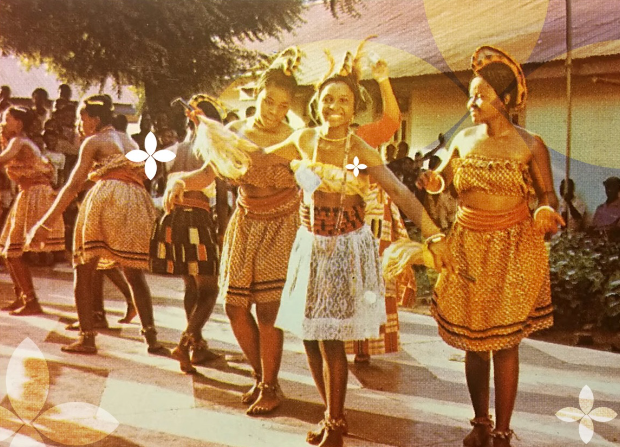
Names are extremely important in Igbo culture, particularly in southeastern Nigeria, where the naming of children is a significant event often marked by specific ceremonies. Igbo names, whether for baby boys, girls, or twins, serve as vessels for parents’ hopes and aspirations for their offspring. These names frequently convey a story, symbolise a prayer, or…
-
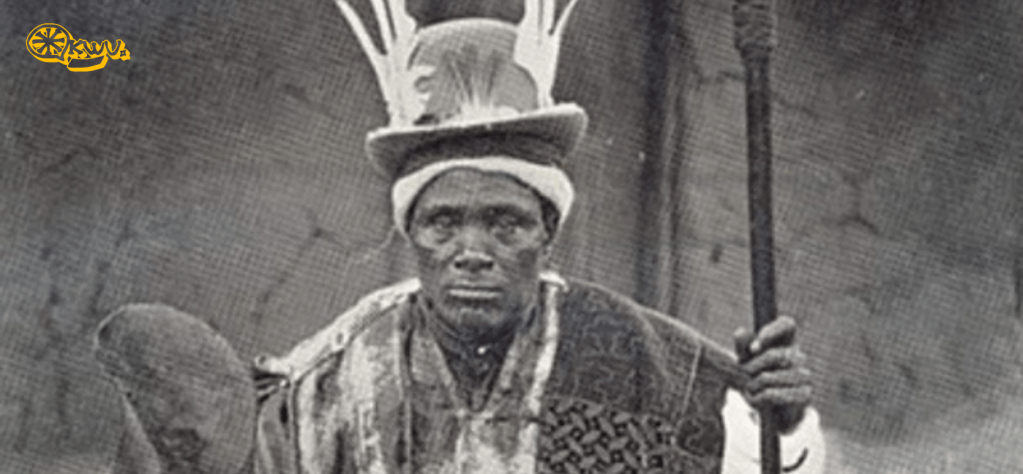
Democratic Governance in Pre-Colonial Igboland: A Historical Perspective
Prior to British colonisation in the 20th century, the Igbo people in southeastern Nigeria lived under a republican consultative assembly. Exceptions included the Priest-Kings of Nri and Aro, as well as notable towns like Onitsha, where the Obi ruled as king, and Arochukwu with the Eze Aro. An “Acephalous” Political System The Igbo pre-colonial political…

