-

What is Harmattan Season and its Impact on Climate, Vegetation, and Daily Life
The Harmattan season, locally known as ‘ụ́gụ̀rụ̀’ in Igbo, is a dry and dusty period in Southeastern Nigeria and other West African countries like Ghana and Ivory Coast. It occurs from late November to mid-March, bringing cooler temperatures, reduced humidity, and a hazy sky filled with fine dust from the Sahara Desert. The actual meaning…
-

Okpu-Agu Hat: Symbolism, History, and Cultural Significance in Igbo Tradition
The Okpu-Agu Hat The Okpu-Agu is a knitted woollen hat, somewhat cone-shaped with a bob at the end. This bob is the ‘tail’ of the hat. It has intricate patterns of red, white, and black stripes, representing the spots of a leopard, an animal known for its strength and bravery among the Igbo people. The…
-

6 common Igbo Cultural Festivals:
Understanding Igbo Culture Through Festivals New Yam Festival (Iriji, Iwaji, or Ikeji) The New Yam Festival, known as Iriji, Iwaji, or Ikeji in Igbo, is an annual cultural celebration among the Igbo people, typically held in early August after the rainy season. It marks the presentation of newly harvested yams to the ancestors, expressing gratitude…
-
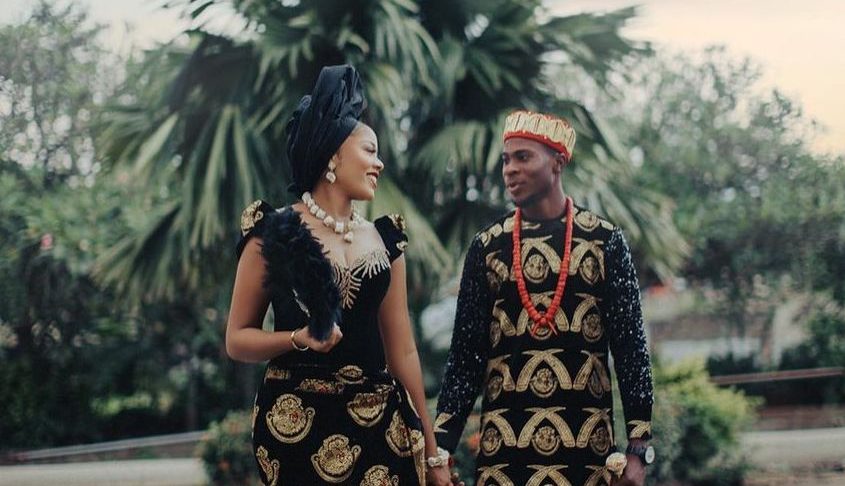
5 Essential Greetings in Igbo (With Audio!)
5 Essential Greetings in Igbo
-
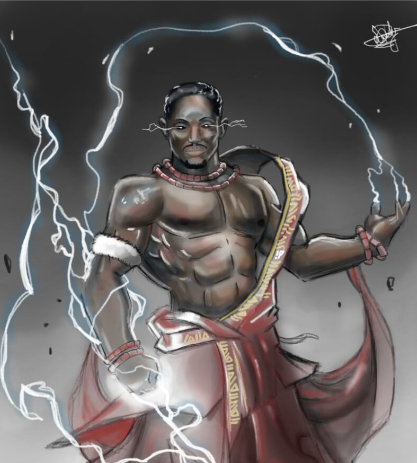
Amadioha: The Igbo God of Thunder and Lightning
Who is Amadioha? Amadioha is revered as the Igbo god of thunder and lightning and is the partner of Ani, the earth goddess. Known by various names such as Kamalu, Kamanu, or Ofufe across different regions of Igboland, Amadioha stands as one of the most significant deities in Igbo religion (Odinala/Odinani). His formidable presence is…

Okwu ID
Okwu ndị Igbo n'ala bekee.